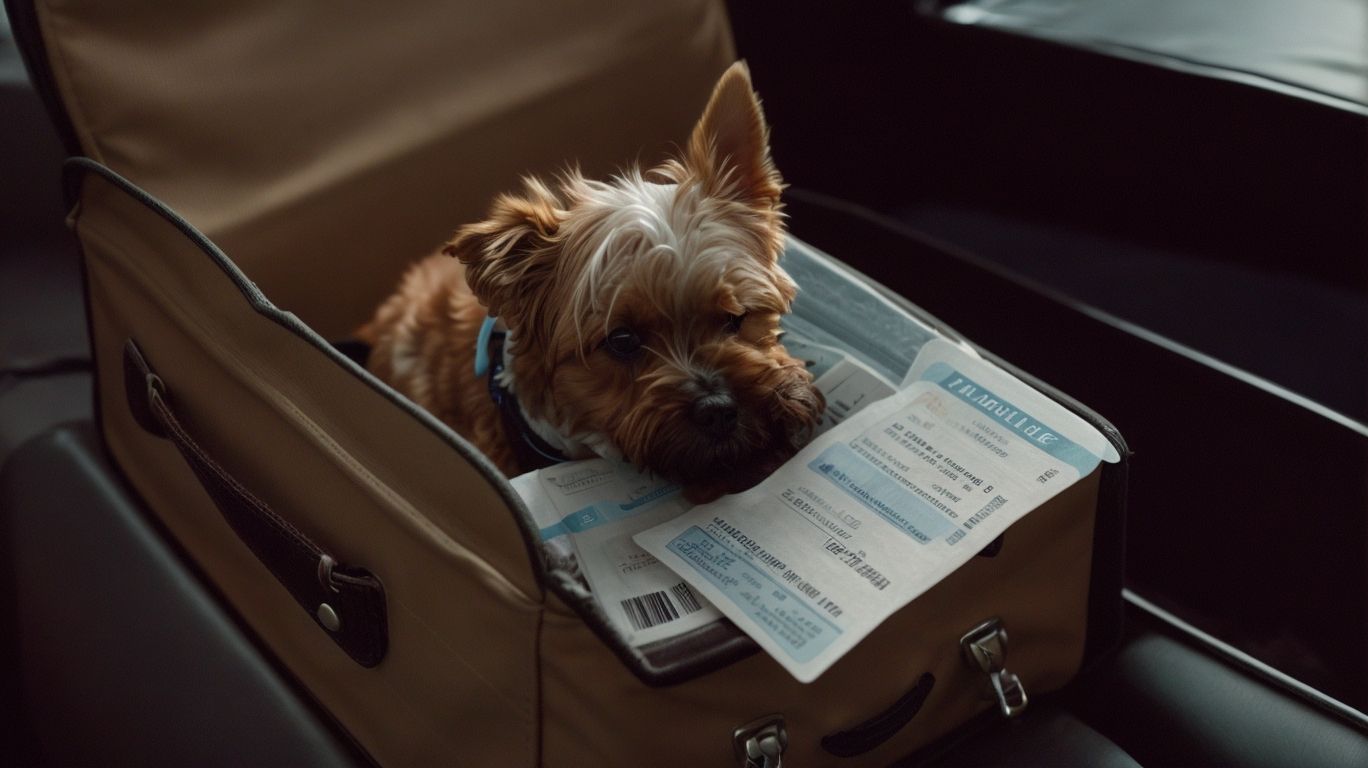


Are you considering traveling with your small dog but feeling overwhelmed by the process? Whether you’re planning a weekend getaway or a longer trip, flying with a small dog can be a convenient and enjoyable experience when you have the right information at your fingertips.
In this comprehensive guide, we’ll cover everything you need to know about flying with small dogs, from factors to consider when choosing in-cabin or cargo transport, to the cost breakdown and lodging options. We’ll also delve into important regulations and safety considerations, as well as provide valuable tips for smooth and stress-free travel with your furry companion.
So, if you’re ready to unlock the secrets to affordable and hassle-free flying with small dogs, keep reading to discover how to make your tiny travels a big success.
Key Takeaways:
Introduction to Flying with Small Dogs
Flying with small dogs can be an exciting and rewarding experience for pet owners, offering opportunities to travel and explore new destinations while ensuring the comfort and safety of their furry companions.
One of the most important aspects of flying with a small dog is ensuring their comfort and safety during the journey. Many airlines allow small dogs to travel in the cabin, providing a more reassuring experience for pet owners who want to keep their furry friends close. In-cabin pet carriers play a significant role in this, offering a secure and cozy space for the dog to relax during the flight.
Having the necessary health certificates and documentation for the pet is crucial for hassle-free travel. Pet owners should also consider accommodations that are pet-friendly to ensure a pleasant experience throughout their trip. Enrolling in TSA PreCheck can expedite the security process, making the overall travel experience smoother for both the pet and the owner.
Flying with Small Dogs: Factors to Consider
When flying with small dogs, pet owners should consider various factors such as airline pet policies, travel regulations, and the specific requirements set forth by different carriers, including American Airlines, Southwest Airlines, JetBlue, Allegiant Air, Frontier Airlines, and Alaska Airlines.

It is crucial for pet owners to be aware of the guidelines stipulated by the U.S. Department of Transportation and the International Air Transport Association, as well as the individual airline regulations. These regulations ensure the safety and well-being of pets during air travel.
Understanding the pet carrier requirements for in-cabin or cargo transportation, vaccination and health certificate prerequisites, and check-in procedures is essential. Compliance with these regulations not only ensures a smooth travel experience for the pets but also a stress-free journey for the pet owners.
Flying with Small Dogs: In-Cabin vs. Cargo
Pet owners must decide between transporting their small dogs in-cabin or utilizing cargo services, with in-cabin options requiring an appropriate pet carrier and cargo transportation necessitating veterinary visits and compliance with regulations from the U.S. Department of Agriculture and the International Pet and Animal Transportation Association.
Transporting a small dog in-cabin involves securing a suitable pet carrier that meets the airline’s specifications for dimensions, ventilation, and material. Owners should ensure that the carrier fits under the seat in front of them and allows the dog to stand, turn, and lie down comfortably.
On the other hand, cargo transportation entails preparing the pet for travel, which involves obtaining a health certificate from a veterinarian within ten days of departure, ensuring the dog’s vaccinations are up to date, and complying with specific airline and shipping carrier requirements.
Cost of Flying with Small Dogs
Understanding the cost implications of flying with small dogs is crucial, encompassing various aspects such as pet fees, carrier-specific charges, and international travel expenses, while considering the policies and guidelines of airlines like American Airlines, Southwest Airlines, JetBlue, Allegiant Air, Frontier Airlines, and Alaska Airlines.
When flying with small dogs, it’s essential to factor in pet fees , which can vary widely among airlines. Generally, these fees range from $75 to $125 per flight for small dogs in-cabin. Many airlines have carrier-specific charges , with some offering complimentary carry-on pet travel while others charge a separate fee.
For international travel , there are additional documentation costs related to health certificates, vaccinations, and potential quarantine requirements, which can add to the overall expense.
At-A-Glance Cost Overview

An at-a-glance cost overview for flying with small dogs encompasses considerations such as pet fees, in-cabin pet carrier charges , cargo transportation expenses , and potential financial benefits offered through partnerships with entities like American Express or programs endorsed by the International Air Transport Association.
When traveling with small dogs, pet fees are a significant cost to consider. Airlines typically charge a fee for pets to fly in the cabin or as checked baggage or cargo. In-cabin pet carrier charges may also be applicable, with different airlines having their own policies and pricing structures.
The option to transport your small dog as cargo could carry substantial expenses, depending on the journey’s distance and the airline’s regulations.
Direct Costs of Flying with Small Dogs
The direct costs of flying with small dogs encompass pet fees, health certificate requirements , veterinary visit expenses , and adherence to safety measures, with airline-specific considerations and animal welfare guidelines endorsed by the U.S. Department of Agriculture and the Humane Society of the United States, particularly relevant for carriers like Alaska Airlines .
When flying with small dogs, pet owners should factor in the pet fees imposed by the airline. The cost varies widely among carriers, often ranging from $75 to $125 per pet for domestic flights. Health certificate requirements also add to the expenses, with veterinary visits typically necessary within a specified timeframe before the travel date. This often involves a full health examination, vaccinations, and the completion of required forms, which can amount to an additional $50 to $200, depending on the veterinarian and specific needs of the dog.
Airlines like Alaska Airlines may have specific regulations for pet carriers, including size, materials, and construction. Ensuring compliance with these guidelines is crucial to avoid last-minute issues or denied boarding. Plus the direct costs, pet owners must prioritize their dog’s comfort and well-being during travel, thus investing in a suitable carrier that meets both airline and Humane Society standards is essential. It’s also recommended to consult the U.S. Department of Agriculture for current travel requirements and stay informed about any policy changes relevant to pet transportation.
Additional Costs and Considerations
Plus direct expenses, pet owners should consider additional costs and special considerations related to flying with small dogs, including requirements for service animals , emotional support animals , and the benefits of TSA PreCheck , tailored to the policies and provisions of airlines such as American Airlines, Southwest Airlines, JetBlue, Allegiant Air, and Frontier Airlines.
When traveling with a small dog, pet owners should budget for various supplementary expenses, which may include fees for pets to travel in the cabin or as checked baggage. There are specific requirements for service animals and emotional support animals, varying between airlines.

For service animals, it’s crucial to comply with documentation and training regulations for them to travel in the cabin free of charge. Emotional support animals may require specific forms and health requirements, and some airlines may charge additional fees for their accommodation.
It’s important to note that pet policies and costs differ among airlines, and it’s advisable to review the guidelines of preferred carriers prior to booking. In addition, considering the advantages of TSA PreCheck can streamline the security process, making travel with pets a smoother experience.
Lodging and Accommodations for Small Dogs
Finding suitable lodging and accommodations for small dogs is essential for pet owners, encompassing considerations such as pet policies, the availability of pet-friendly amenities, and potential benefits associated with TSA PreCheck, with support and guidelines from organizations like the American Society for the Prevention of Cruelty to Animals.
When searching for accommodations, pet owners must first consider the pet policies of potential lodging options. It’s important to ensure that the selected establishment not only welcomes pets but also has specific policies in place to make the stay comfortable and safe for the furry companions.
Pet-friendly amenities, such as designated walking areas and pet-friendly rooms, play a pivotal role in the overall experience. These amenities ensure that pets are not only welcome but also catered to in a manner that aligns with their needs.
Options for Lodging with Small Dogs
Pet owners have various options for lodging with small dogs , including accommodations with pet-friendly policies, provisions for service animals, and amenities catering to emotional support animals, with potential advantages offered through affiliations with entities such as American Express and Capital One.
Many hotels and resorts welcome pets, providing special services and amenities like dog-walking, pet-sitting, and even pet spa treatments. Some establishments offer special pet packages that include treats, toys, and comfortable bedding for furry guests.
Plus pet-friendly options, many accommodations also cater to service animals, offering accessibility features and specialized services for guests with disabilities. Emotional support animals are also accommodated in many establishments, providing comforting amenities and supportive environments. Affiliations with entities like American Express and Capital One can offer perks such as discounts, rewards, and special promotions for pet owners.”
Factors Affecting Lodging Costs
Several factors influence the costs of lodging for small dogs, including pet policies , the availability of kennel services, and adherence to guidelines from organizations like the American Veterinary Medical Association and the Humane Society of the United States, shaping the overall accommodations and expenses for pet owners.
Pet policies designed by lodging facilities often vary, impacting the costs associated with accommodating small dogs. Some hotels and motels may charge additional fees or require specific deposits for pet stays.
The availability of kennel services at lodging establishments is a pivotal factor. Facilities offering specialized pet accommodations may have higher associated costs but often provide superior care and attention to furry guests. Adherence to guidelines from organizations such as the American Veterinary Medical Association and the Humane Society of the United States plays a crucial role in determining the facilities’ quality, which can thereby affect the expenses incurred by pet owners.
Regulations and Safety for Flying with Small Dogs
Understanding the regulations and safety measures for flying with small dogs is paramount, encompassing aspects such as weight limits, safety considerations, and international travel regulations, while accounting for the provisions and guidelines from authorities such as the Federal Aviation Administration and the Centers for Disease Control and Prevention.
In terms of flying with small dogs, pet owners must be aware of the specific restrictions and requirements imposed by different airlines. Small dog owners should be familiar with the weight limits set by airlines, as they can vary. It’s essential to ensure that the dog’s carrier meets the airline’s size specifications and fits under the seat safely. Proper documentation, including health certificates and vaccination records, is crucial for international travel. Furthermore, pet owners should also consider the guidelines from the Centers for Disease Control and Prevention regarding the importation of animals into the United States.
Weight Limits and Safety Considerations
Weight limits and safety considerations play a crucial role in the transportation of small dogs, particularly for cargo travel, necessitating compliance with health certificate requirements and adherence to safety regulations set forth by the U.S. Department of Agriculture and the International Pet and Animal Transportation Association.
Small dogs, due to their size and vulnerability, require special precautions when it comes to transportation. The weight limits are in place to ensure that the cargo section of the transport is suitable for the safety and comfort of these pets. Adherence to health certificate requirements ensures that the dogs are in good health and fit for travel, minimizing the risk of any health-related complications during the journey.
Safety regulations from the U.S. Department of Agriculture and the International Pet and Animal Transportation Association are established to guarantee the well-being of small dogs during transportation. These regulations include guidelines for crate dimensions, ventilation, and temperature control to ensure that the dogs are transported in a safe and humane manner. It is essential for pet owners and transport companies to prioritize these factors to ensure the safe and stress-free transportation of small dogs.
International Travel and Regulations
For international travel with small dogs, pet owners must navigate the complexities of flight regulations, pet-friendly accommodations, veterinary visit requirements, and adherence to international standards outlined by organizations like the International Air Transport Association and the Federal Animal Welfare Act.
Flight regulations for small dogs can vary depending on the destination country. Many airlines have specific size and weight restrictions for in-cabin pet travel, and it’s essential for pet owners to carefully review these guidelines to ensure a smooth travel experience.
Finding pet-friendly accommodations at the travel destination is crucial for the comfort and well-being of the pet. Pet owners should research and book hotels or rentals that welcome small dogs, offering amenities and facilities suitable for their furry companions.
Before international travel, small dogs need to meet veterinary visit requirements , including vaccinations, microchipping, and health certifications. Pet owners should consult with a veterinarian to ensure compliance with the specific regulations of the destination country.
Adhering to international standards established by organizations such as the International Air Transport Association and the Federal Animal Welfare Act is essential for the safety and welfare of pets during travel.
Emotional Support Animals and Small Dogs
The intersection of emotional support animals and small dogs is a significant consideration for airline passengers, encompassing the benefits of TSA PreCheck, guidelines for service animals, and the provisions established by the International Pet and Animal Transportation Association, shaping the overall experience for pet owners.
For travelers with small dogs, emotional support animals can provide much-needed comfort and assistance during flights. With the TSA PreCheck program, passengers can experience expedited security screenings, reducing stress and facilitating smoother travel with their furry companions. Understanding the guidelines for service animals allows pet owners to ensure compliance with airline regulations, minimizing potential disruptions during the journey.
The International Pet and Animal Transportation Association’s provisions serve to promote the well-being and safety of animals in transit, enhancing the overall experience for pet owners and their beloved companions. These regulations and support systems play a pivotal role in easing the anxieties of both passengers and animals, fostering a more pleasant and accommodating travel environment for all involved.
Tips for Traveling with Small Dogs
Effective tips for traveling with small dogs can significantly enhance the overall experience, encompassing considerations related to airline pet policies, the relevance of TSA PreCheck, travel safety measures, and guidelines endorsed by the American Veterinary Medical Association, ensuring a smooth and stress-free journey for both pet owners and their companions.
When planning a trip with small dogs , it’s essential to familiarize yourself with airline pet policies , as they vary widely among carriers. Some airlines allow pets to travel in the cabin, while others may require them to be transported as cargo. It’s important to understand the specific requirements and restrictions, such as size and weight limits, carrier specifications, and necessary travel documentation.
Enrolling in TSA PreCheck can expedite the security screening process, saving time and reducing stress for both you and your furry companion.
Essential Tips for Smooth Travel
Embarking on smooth travel with small dogs demands essential tips such as prioritizing travel safety, seeking pet-friendly accommodations, understanding kennel requirements, and exploring the potential benefits offered through TSA PreCheck or partnerships with entities like Capital One, ensuring a seamless journey for pet owners and their beloved companions.
When traveling with small dogs, it’s crucial to prioritize their safety and well-being. This includes securing a well-ventilated and appropriately sized kennel or carrier that complies with airline regulations. Pet owners should also research pet-friendly accommodations at their destination to ensure a comfortable stay for their furry companions.
Exploring programs like TSA PreCheck can help streamline the security process, reducing stress for both pet owners and their dogs. Partnering with pet-friendly entities, like Capital One, can provide added perks and benefits, such as pet-friendly travel rewards or assistance in finding pet-friendly accommodations.
Where to Find Airline Pet Policies
Locating and understanding airline pet policies is essential for pet owners traveling with small dogs, necessitating comprehensive insights into the regulations and guidelines of major carriers such as American Airlines , Southwest Airlines , JetBlue , Allegiant Air , Frontier Airlines , and Alaska Airlines, to ensure compliance and seamless travel experiences.
Traveling with pets, particularly small dogs, requires thorough knowledge of each airline’s specific regulations. For example, American Airlines has specific requirements for in-cabin pet travel, while Southwest Airlines allows small domestic cats and dogs onboard the aircraft. JetBlue offers options for both in-cabin and cargo pet travel, each with their unique guidelines. Understanding these policies beforehand helps pet owners to avoid any compliance-related issues and make their journey smoother and stress-free.
Additional Resources for Traveling with Small Dogs
Accessing additional resources for traveling with small dogs can provide valuable insights into service animal provisions, emotional support animal accommodations, and tailored guidelines from prominent carriers such as American Airlines, Southwest Airlines, JetBlue, Allegiant Air, and Frontier Airlines, enriching the travel experiences for pet owners and their cherished companions.
It is important for pet owners to be aware of the specific requirements and accommodations provided by various airlines. American Airlines, for example, offers the American Airlines Service Animal Relief Areas, ensuring that pets can relieve themselves before and after flights. Southwest Airlines provides a Pet Fare option for small vaccinated domestic cats and dogs to travel in-cabin with their owners.
Understanding these tailored guidelines can make the travel experience more comfortable for both the pet and the owner, creating a stress-free journey for all involved parties.
Frequently Asked Questions
How much does it cost to fly with a small dog?
The cost of flying with a small dog can vary depending on the airline. However, on average, it can cost anywhere from $50 to $200 for a one-way flight. Some airlines also offer discounts for small dogs, so it’s always best to check with the airline before booking your trip.
Are there any additional fees for flying with a small dog?
In addition to the cost of the flight, there may be additional fees for flying with a small dog. These fees can include a pet travel fee, pet in-cabin fee, and/or a pet handling fee. Some airlines also require a health certificate for your dog, which may also incur a fee.
What is the maximum weight for a small dog to fly in-cabin?
The weight limit for a dog to fly in-cabin varies by airline, but it is typically around 20 pounds. It’s important to check with the airline beforehand to ensure your dog meets the weight limit requirements.
Can I bring my small dog as a carry-on?
Yes, many airlines allow small dogs to travel with their owners as a carry-on. However, there may be size and weight restrictions, so it’s important to check with the airline beforehand. Additionally, your dog will need to be in an airline-approved carrier that can fit under the seat in front of you.
Is it safer to fly with a small dog in-cabin or in cargo?
In general, it is safer for a small dog to fly in-cabin with their owner rather than in cargo. This is because the temperature and pressure in the cargo hold can be unpredictable and potentially harmful for pets. However, it’s important to also consider the individual needs and comfort of your dog when deciding on the best option for flying.
What should I do to prepare my small dog for flying?
There are a few things you can do to prepare your small dog for flying. These include getting them used to their carrier, making sure they are up-to-date on all necessary vaccinations and paperwork, and considering any potential health concerns they may have during the flight. You may also want to consult with your veterinarian for additional tips and advice.

Guiding SEO strategies for nationwide pet transportation services. With a wealth of experience in marketing, committed to showcasing safe and reliable pet transport options across the USA.