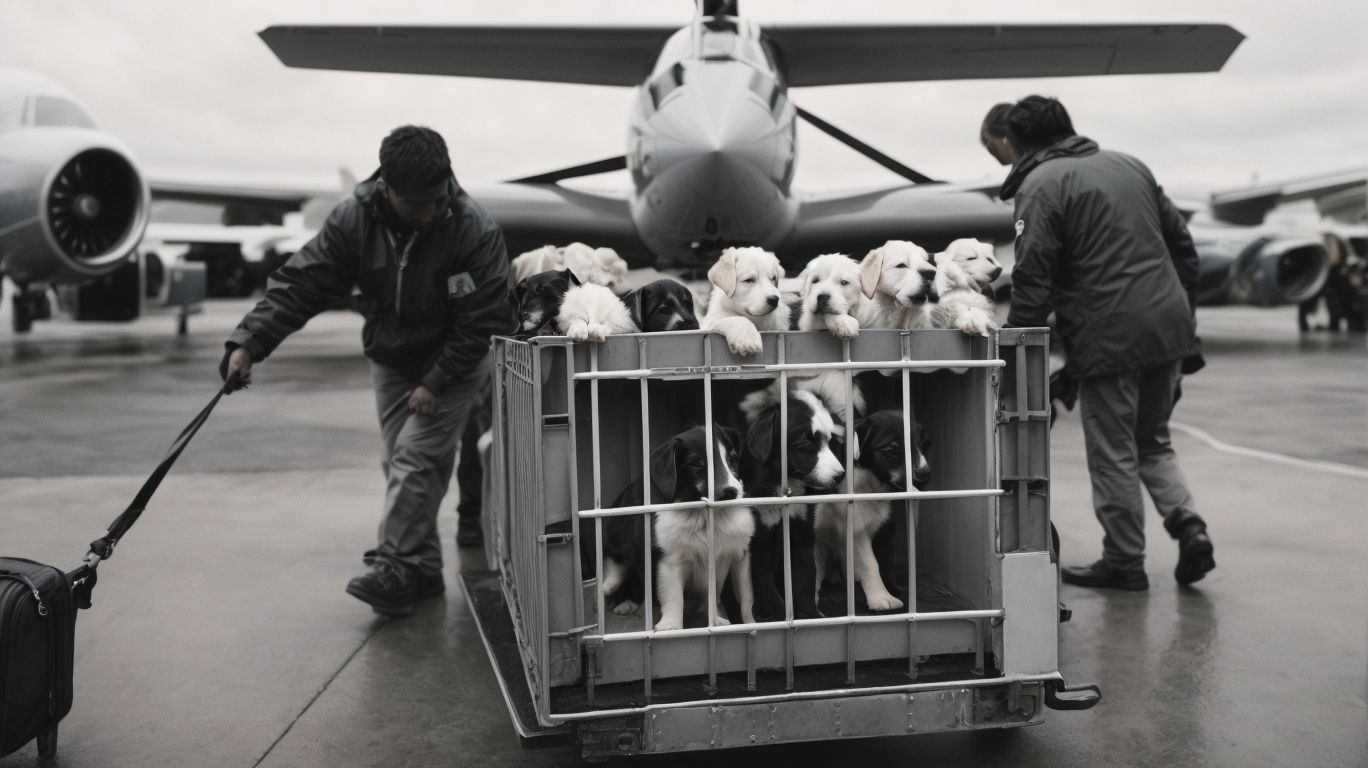


Are you a breeder or a pet owner preparing to transport your precious puppies by air? Navigating the intricacies of shipping your furry companions can be a daunting task, but fear not – this comprehensive guide is here to provide you with the essential information you need for a smooth and stress-free experience.
From understanding the different transportation options to preparing your puppies for travel, and from the benefits and considerations of shipping puppies by airplane to exploring ground transportation alternatives, we’ve got you covered. We’ll delve into the crucial aspect of choosing the right pet transportation company, address frequently asked questions, and provide you with valuable additional resources and information.
So, if you’re ready to ensure the safe and comfortable transport of your puppies, let’s embark on this enlightening journey together.
Key Takeaways:
Shipping Puppies by Air: A Guide for Breeders and Owners
Shipping Puppies by air involves a comprehensive process that requires careful planning and consideration for the well-being of the puppies and compliance with regulatory standards. From selecting the right transportation method to ensuring the puppies’ comfort and safety, breeders and owners need to navigate various aspects of the shipping process to guarantee a smooth and secure journey for their beloved pets.
Regulatory compliance is a crucial aspect of shipping puppies, involving adherence to specific protocols set forth by the International Air Transport Association (IATA) and government authorities. Understanding the intricacies of pet travel regulations, documentation, and acclimatization to ensure a stress-free experience is paramount.
It’s also essential to communicate with the prospective owners, informing them about the shipping process, arrival details, and necessary preparations on their end to receive the puppies.
Introduction to Shipping Puppies
The process of shipping puppies involves various logistical and regulatory considerations, encompassing both air and ground transportation options, to ensure the safe and secure delivery of the puppies to their new homes. Breeders and owners play a pivotal role in orchestrating this journey, adhering to industry standards, and prioritizing the well-being of the puppies throughout the transportation process.
Understanding the Different Transportation Options

When shipping puppies, breeders and owners have the choice of utilizing either air travel or ground transportation, each option presenting distinct advantages and considerations. Understanding the intricacies of these transportation methods is crucial for making informed decisions that prioritize the well-being and comfort of the puppies throughout their journey.
Air travel provides puppies with the benefit of faster delivery, minimizing their time spent in transit. Airlines often have specific pet transport programs and designated areas for animal cargo, ensuring the safety and comfort of the pups. It’s essential to consider the potential stress and anxiety that puppies may experience due to the unfamiliar environment and noise associated with air travel.
On the other hand, ground transportation can offer a more personalized and direct approach, allowing for frequent checks and stops to ensure the puppies’ well-being. This method may also be less intimidating for the puppies, as they remain in a familiar environment and are not subjected to the noise and altitude changes associated with air travel. Nonetheless, longer travel durations need to be considered when opting for ground transportation.
Preparing Your Puppy for Travel
Properly preparing a puppy for travel entails a series of essential steps, from obtaining necessary documentation and health certifications to acclimating the puppy to the travel crate and ensuring their comfort during the journey. Owners and breeders must prioritize the well-being of the puppies by addressing these preparatory measures with diligence and care.
It is crucial for owners or breeders to schedule a thorough vet consultation to ensure the puppy is in good health and fit for travel. This includes checking for any required vaccinations, obtaining a health certificate, and discussing any specific concerns related to the travel.
Proper documentation is essential for hassle-free travel. This may involve acquiring a pet passport, ensuring that all necessary vaccinations are up to date, and satisfying any specific travel requirements for the destination.
An integral part of travel preparation for a puppy is crate training. Introducing the puppy to the travel crate well in advance, and making it a comfortable and familiar space, can significantly reduce stress during the journey.
Considering the comfort of the puppy during travel is paramount. This includes packing familiar toys, bedding, and necessary supplies to ensure the puppy feels secure and at ease throughout the trip.
Shipping Puppies by Airplane

Shipping puppies by airplane offers a swift and efficient means of transportation , catering to breeders and owners seeking expedited delivery to distant locations. This method requires adherence to stringent regulations and meticulous planning to ensure the puppies’ welfare and compliance with industry standards.
The benefits of shipping puppies by airplane are numerous. It allows for rapid delivery to distant locations, reducing the stress and duration of travel for the puppies.
Air travel provides a controlled environment with temperature and pressure regulation, ensuring the comfort and safety of the animals throughout the journey. However, strict adherence to regulatory requirements is essential to ensure the well-being of the puppies. Airlines and regulators impose guidelines concerning crate specifications, veterinary certifications, and specific travel conditions. Breeders and owners must carefully navigate these regulatory requirements and paperwork to facilitate smooth and lawful transportation.
Benefits and Considerations
Shipping puppies by airplane offers expedited delivery, making it an attractive option for breeders and owners with time-sensitive transport needs. The process involves careful attention to temperature regulations, crate requirements, and handling procedures to ensure the puppies’ safety and well-being throughout the journey.
When shipping puppies via air travel, it’s crucial to regulate the temperature within the cargo area to prevent exposure to extreme temperatures that could jeopardize the puppies’ health. Airlines often have specific regulations regarding the specifications for pet crates, including size, material, and ventilation, to ensure the comfort and safety of the animals during the flight. Adherence to safety protocols, such as securely fastening the crates and providing identification tags, is essential for the smooth and secure transportation of the puppies.
Step-by-Step Guide for Shipping Puppies by Air
A comprehensive guide for shipping puppies by air encompasses the entire process, from initial preparations and documentation to coordinating with the airline and ensuring the puppies’ comfort and safety before, during, and after the flight. Following a systematic approach is essential to guarantee a smooth and secure journey for the puppies.
Before the flight, it is crucial to ensure that the puppies are in good health and have received all necessary vaccinations. Adequate crates or carriers must be prepared, meeting the airline’s specific requirements for size, material, and ventilation. Additionally, proper documentation such as health certificates, permits, and identification tags are essential for compliance with air travel regulations. Coordination with the airline staff and arranging for any special requirements should be addressed beforehand to prevent any last-minute issues.
During the flight, it’s vital to ensure that the puppies are loaded onto the aircraft carefully and securely. The airline may have specific guidelines regarding temperature and pressurization in the cargo hold, and ensuring the puppies’ comfort is of utmost importance.

Post-arrival, immediate attention to the puppies’ needs, including feeding, hydration, and physical comfort, is necessary, and any necessary transportation arrangements should be made promptly to ensure smooth onward travel to their new destination.
Ground Transportation for Shipping Puppies
Ground transportation serves as an alternative means of shipping puppies, offering a more localized and flexible approach to pet delivery. While this method may extend the travel duration, it provides opportunities for personalized care and reduced stress for the puppies during transit.
This personalized approach allows for frequent breaks, comfort stops and individual attention, which can be especially beneficial for sensitive or young puppies. Ground transportation mitigates the potential risks associated with air travel, providing a more controlled environment and minimizing exposure to extreme weather conditions. The carefully planned routes also ensure that puppies are not confined to their crates for extended periods, promoting their well-being and overall comfort.
Exploring Ground Transportation Options
Ground transportation options for shipping puppies encompass a range of choices, including professional pet transport services and personal arrangements by breeders or owners. Each option presents distinct benefits and logistical considerations that influence the overall experience for the puppies and their handlers.
Professional pet transport services offer the expertise of trained professionals who understand the specific needs of puppies during transportation. These services often include specialized vehicles equipped with climate control, comfortable bedding, and regular stops for exercise and potty breaks.
On the other hand, individual arrangements by breeders or owners may involve coordinating with ground transportation companies, ensuring suitable crates, and planning for rest stops in line with the puppies’ needs. It’s crucial to factor in the puppies’ comfort, safety, and stress levels when contemplating these transportation options.
Best Practices for Safe Ground Transportation
Implementing best practices for safe ground transportation of puppies involves meticulous planning, adherence to regulatory guidelines, and prioritizing the puppies’ comfort and well-being during the journey. Whether utilizing professional services or self-transporting, ensuring a secure and stress-free transit experience is paramount.
One must ensure that the transport vehicle is equipped with secure, well-ventilated crates or carriers, preventing any potential escape or injury. Regular breaks for exercise, water, and bathroom needs are crucial to avoid discomfort or anxiety. Using pet-friendly routes and avoiding extreme weather conditions is highly recommended. It’s also essential to practice gentle handling and familiarize puppies with their carriers beforehand to minimize stress during travel.
Choosing the Right Pet Transportation Company
Selecting a reputable and reliable pet transportation company is a pivotal decision for breeders and owners shipping puppies, as it directly impacts the quality and safety of the puppies’ transit experience. Prior research, inquiries, and due diligence are essential for identifying the best-suited service provider for the puppies’ transportation needs.
One crucial aspect to consider when choosing a pet transportation company is their adherence to safety standards and regulations for animal transportation. Make sure the company has proper certifications, such as being USDA licensed and meeting International Air Transport Association (IATA) regulations for live animal transport. Inquire about their handling procedures, ventilation, and temperature control to ensure the puppies’ welfare during transit.
Questions to Ask Potential Pet Transportation Services
Engaging with potential pet transportation services necessitates posing insightful questions pertaining to their experience, handling protocols, and adherence to regulatory standards for animal transport.
When evaluating pet transportation services, it’s crucial to inquire about their years of experience in handling pet relocations and their track record with different animal breeds. Safety measures should be a top priority, so asking about the types of crates used, ventilation, and temperature control during transit is essential.
It’s also important to check if they have proper permits and licenses for interstate or international travel, as well as the compliance with airline regulations and any special requirements for specific destinations.
Understanding Travel Expenses and Considerations
Assessing the travel expenses and financial considerations associated with shipping puppies is crucial for breeders and owners, as it allows for informed budgeting and resource allocation to ensure a smooth and cost-effective transportation process.
When planning for the transportation of puppies, it’s important to account for various expenses, including transportation charges, health certificates, and crate fees. Budgeting effectively requires careful consideration of these costs, along with potential additional expenses such as insurance, airline fees, and any necessary documentation.
Breeders and owners can explore cost-effective measures such as seeking out reputable pet transport services that offer competitive rates, comparing different shipping options, and consolidating shipments whenever possible to optimize expenses.
Establishing a clear understanding of the financial implications from the outset enables better preparation and minimizes unexpected financial burdens during the shipping process.
FAQs About Shipping Puppies
Navigating the process of shipping puppies entails numerous inquiries and uncertainties, prompting the need for informative responses to common queries and concerns. Addressing frequently asked questions provides valuable insights and guidance to breeders and owners navigating the complexities of pet transportation.
One common concern revolves around the safety and well-being of the puppies during transit. It’s crucial to partner with reputable pet transport services or airlines that prioritize animal welfare and adhere to stringent regulations. Understanding the required documentation, such as health certificates and vaccination records, is also essential to ensure a smooth shipping process. Knowing the specific airline or courier’s policies regarding pet transportation, crate requirements, and any restrictions is vital for a seamless experience.
Common Queries Answered
Addressing common queries related to shipping puppies encompasses clarifying aspects such as documentation requirements, safety protocols, and transit timelines, offering breeders and owners comprehensive insights into the essential considerations and procedures involved in pet transportation. Clear and informative responses aid in alleviating uncertainties and ensuring a seamless shipping experience.
Ensuring that the necessary documentation is in order is a critical step when shipping puppies. This typically includes health certificates, vaccination records, and any required permits. Pet owners must diligently check and fulfill the requirements of both the origin and destination locations to avoid any impediments during transit.
Adherence to safety protocols is paramount to guarantee the well-being of the puppies during the shipping process. This encompasses proper ventilation, pet-friendly carriers, and suitable bedding to ensure their comfort throughout the journey.
Transit timelines for shipping puppies vary based on factors such as distance, mode of transport, and the specific carrier’s policies. Planning ahead and coordinating with the chosen pet transport service efficiently is crucial for a smooth and timely delivery.
Additional Resources and Information
Accessing additional resources and information pertaining to shipping puppies equips breeders and owners with supplemental knowledge, guidelines, and industry insights that further enhance their understanding of pet transportation best practices and regulatory compliance.
One valuable resource for breeders and owners is educational material on pet shipping regulations, which guides them through the nuances of air and ground transportation for puppies. Industry insights on ensuring the safety and well-being of puppies during transit provide valuable guidance for breeders and potential pet owners.
Understanding the documentation and legal requirements associated with shipping puppies domestically and internationally is essential for breeders, and accessible resources can streamline this process.
Further Reading and References
Exploring further reading and references on shipping puppies serves as an invaluable source of comprehensive insights, expert perspectives, and industry best practices, enriching the knowledge base and expertise of breeders and owners in ensuring the safe and secure transportation of their beloved pets.
For breeders and pet owners seeking detailed guidance on pet transportation resources and educational materials, several reputable sources are available. Websites such as the American Kennel Club (AKC) and the International Pet and Animal Transportation Association (IPATA) offer comprehensive information on puppy shipping regulations , health certifications , and proper handling techniques to ensure the well-being of the animals during transportation .
Various industry publications, such as ‘Dog World’ and ‘Pet Business Magazine,’ provide in-depth articles and expert commentary, offering valuable insights into container requirements and airline policies for shipping puppies by air . The official websites of major airlines, like Delta, United, and American, also feature important guidelines, restrictions, and pet travel tips to help breeders and owners prepare for safe and comfortable pet transportation.
Frequently Asked Questions
1. What is the process for shipping puppies by air?
The process typically involves obtaining a health certificate from a veterinarian, booking a flight with an airline that allows pet transportation, and ensuring that all necessary paperwork and fees are taken care of.
2. How do I choose the right airline for shipping my puppies?
It’s important to research airlines and their policies regarding pet transportation. Look for airlines with experience in shipping live animals and be sure to check their specific requirements for crates and paperwork.
3. Can I ship my puppies at any age?
Most airlines have a minimum age requirement for shipping puppies, typically around 8-10 weeks old. Be sure to check with the airline for their specific policies and guidelines.
4. What type of crate should I use for shipping my puppies by air?
The crate should be large enough for the puppy to stand, turn around, and lie down comfortably. It should also be well-ventilated and have a secure locking system. Be sure to check with the airline for specific size and material requirements.
5. How can I ensure my puppies are safe and comfortable during the flight?
Make sure your puppies are well-fed and hydrated before the flight, and provide a familiar blanket or toy to comfort them. You can also include a note with your contact information in case of any issues or delays.
6. Are there any risks involved with shipping puppies by air?
While rare, there are some risks involved with shipping puppies by air, including stress, dehydration, and potential delays. It’s important to research and prepare carefully to minimize these risks and ensure a smooth and safe journey for your puppies.

Guiding SEO strategies for nationwide pet transportation services. With a wealth of experience in marketing, committed to showcasing safe and reliable pet transport options across the USA.