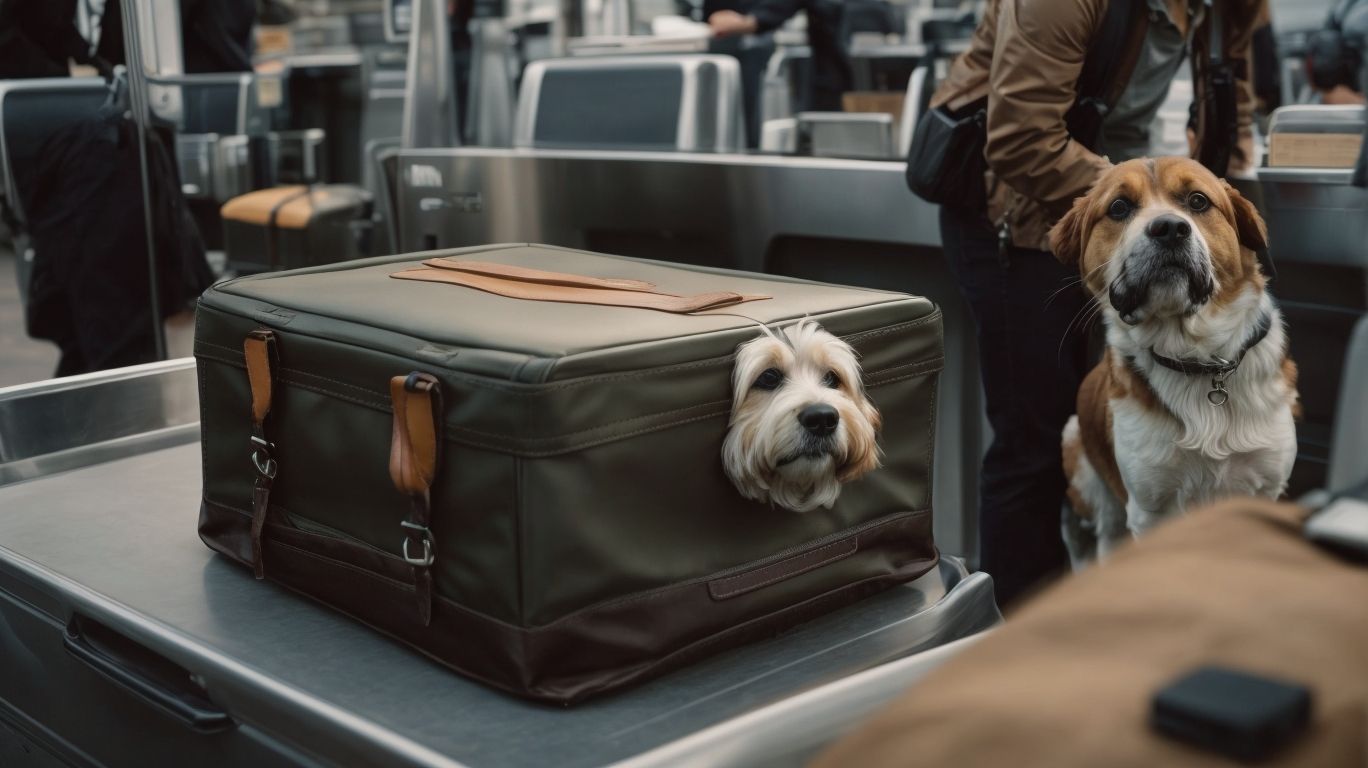


In today’s fast-paced world, the need for pet transportation has become increasingly common. Whether you’re relocating across the country, taking a vacation, or sending your furry friend to a new home, knowing how to ship a dog safely and comfortably is essential. In this comprehensive guide, we’ll provide you with step-by-step instructions for pet transport, covering everything from preparing your dog for transport to selecting the right pet transportation company. We’ll explore the logistics of transporting your dog by airplane and ground, address common concerns about travel expenses, and answer frequently asked questions about dog shipping. We’ll provide expert insights, a video guide for visual learners, and practical tips for ensuring a safe and comfortable journey for your beloved canine companion. So, whether you’re a first-time pet shipper or looking to brush up on your pet transportation knowledge, this article is your go-to resource for all things related to shipping a dog.
Key Takeaways:
How to Ship a Dog: Step-By-Step Instructions for Pet Transport
In terms of shipping a dog, there are several crucial steps and considerations involved in ensuring a safe and comfortable journey for your beloved pet.
Before the journey, it is important to check with the airline or ground transportation service provider about their specific requirements for transporting pets.
Obtaining the necessary documentation, such as health certificates and proof of vaccinations, is essential to comply with regulations and ensure a smooth process.
Choosing the right crate for your dog is vital. Proper crate selection ensures that your dog has enough space to stand, turn, and lie down comfortably during the journey, promoting a stress-free experience. It’s also advisable to acclimate your dog to the crate beforehand to reduce anxiety during transport.
Preparing Your Dog for Transport
Preparing your dog for transport involves essential steps to ensure their well-being and safety throughout the journey.
First and foremost, schedule a visit to the veterinarian to ensure your dog is in good health and up to date on all required vaccinations. Ensure that you have all necessary documentation, such as health certificates and vaccination records, as these will be required by all airline services and ground transportation providers.

It’s important to acclimate your dog to their travel crate well in advance, allowing them to become comfortable with the space. This can involve placing familiar bedding and toys inside the crate and gradually increasing the time your dog spends inside.
Transporting Your Dog by Airplane
Transporting your dog by airplane requires careful planning to ensure their comfort and safety, adhering to specific airline regulations and guidelines.
When traveling with dogs by airplane, it’s essential to research the requirements of the specific airline you’ll be using. Some airlines allow small pets to travel in the cabin with their owners, while others require pets to be transported in the cargo hold. Ensure you understand the regulations and choose the most suitable option for your pet.
For dogs traveling in the cabin, a soft-sided or hard-sided pet carrier is necessary, meeting the airline’s size and weight restrictions. It’s important to familiarize your dog with the carrier before the trip to minimize stress during the journey.
When selecting the cargo option, ensure that the pet carrier is sturdy, airline-approved, and provides adequate ventilation and temperature control. Pay attention to the airline’s guidelines regarding food, water, and bedding in the carrier to make the journey as comfortable as possible for your furry companion.
Transporting Your Dog by Ground
Opting for ground transportation for your dog’s journey can provide a reliable and comfortable alternative to air travel, especially for certain breeds or specific travel requirements.
When considering ground transportation for your furry companion, road travel emerges as a popular choice. The primary benefit lies in the ability to closely monitor and cater to your dog’s needs throughout the journey. Unlike air travel, ground transportation allows for personalized attention, frequent breaks, and the flexibility to adjust the travel schedule according to your dog’s comfort.
For dogs who experience anxiety or discomfort during air travel, the serene and familiar environment of road travel can significantly reduce stress. Additionally, kennel facilities play a crucial role in ensuring the safety and comfort of your pet during the journey. Whether it’s a professional pet transportation service or utilizing a dedicated pet-friendly vehicle, the use of kennels provides a secure and cozy space for your dog to travel in, reducing the chances of accidents or discomfort.
Questions to Ask the Pet Transportation Company

When engaging a pet transportation company, it’s essential to ask relevant questions to ensure the safety and well-being of your pet throughout the journey.
Some crucial questions to ask pet transportation companies include:
- What specific safety protocols are in place to safeguard pets during transit?
- How do you monitor the journey progress and ensure regular check-ins and care for the pets in transit?
- What measures are taken to handle any special requirements or medical needs of pets during transportation?
- Can you provide references or testimonials from previous clients regarding the care and handling of pets during transportation?
Asking these questions can help you gauge the level of care and expertise that the pet transportation company can offer for your furry friend’s journey.
Considerations for Travel Expenses
Understanding the potential travel expenses associated with shipping a dog is crucial for planning and budgeting your pet’s journey.
Several factors contribute to the overall cost of shipping a dog, including airline fees, ground transportation costs, and additional service charges. When traveling with your furry companion, it’s essential to consider the different fees charged by airlines for pets. These fees can vary based on the size of the dog and the chosen airline, and certain airlines may have specific requirements and restrictions.
Along with airline fees, ground transportation costs should also be factored in. Depending on the travel distance, you may need to arrange for ground transportation to and from the airport, which could add to the overall expenses. There are additional service charges to consider, such as pet carriers, health certificates, and any required vaccinations.
Considering all these factors and planning accordingly can help ensure a smooth and hassle-free journey for your beloved pet.
FAQs about Dog Shipping
Navigating the process of dog shipping involves addressing common queries and concerns related to documentation, vaccinations, and regulatory compliance.

Required documentation for dog shipping typically includes proof of ownership, health certificates, import/export permits, and relevant identification. Understandably, many pet owners inquire about the specific paperwork needed for different destination countries and how to ensure compliance with local regulations.
In terms of vaccinations, pet transport regulations often mandate up-to-date rabies vaccinations and, in some cases, additional inoculations against specific diseases prevalent in the destination region. Pet parents frequently seek clarity on the vaccination timeline and any additional health requirements for their furry companions.
Adherence to transportation regulations concerning pet shipping entails familiarity with airline policies, pet crate specifications, temperature guidelines, and travel restrictions. Clients commonly seek guidance on choosing pet-friendly airlines and ensuring a safe and comfortable journey for their beloved pets.
Expert Q&A
Gain insights from industry experts through a dedicated question and answer segment focusing on diverse aspects of pet transport, dog shipping, and related airline or ground transportation queries.
Industry professionals stress the significance of carefully selecting crate requirements for pet transport to ensure the safety and comfort of the animals during transit. Additionally, airline regulations play a pivotal role in the process, requiring thorough compliance to uphold pet welfare.
Ground transportation, including vehicle compatibility and safety measures, is another critical consideration, highlighting the need for comprehensive planning and research to facilitate a smooth and secure pet shipping experience.
Video Guide on Shipping a Dog
A comprehensive video guide provides visual insights into the process of shipping a dog, offering practical demonstrations of key steps and considerations involved in pet transport and dog shipping.
Throughout the video, viewers will learn about the necessary preparations for airline travel, including:
- obtaining a pet health certificate
- ensuring compliance with airline regulations
- arranging appropriate travel crates
In addition, the guide demonstrates ground transportation arrangements, such as:
- coordination with professional pet transport services
- secure and comfortable travel options
- ensuring a stress-free journey for the dog
Furthermore, emphasis is placed on pet comfort measures, encompassing:
- tips for acclimating the dog to travel
- guidance on providing food, water, and comfort during transit
- reassuring the dog during the shipping process
to facilitate a safe and enjoyable experience for the beloved pet.
Tips for Safe and Comfortable Pet Transport
Explore valuable tips and recommendations to ensure the safe and comfortable transport of pets, encompassing essential measures for maintaining their health and well-being throughout the journey.
When preparing for pet transport, ensure that your pet is up-to-date on vaccinations and has a clean bill of health from a veterinarian before the journey. It’s also crucial to check the specific requirements and regulations of the airline or transportation service you are using, as they may have differing policies for pet travel.
Make sure to pack familiar and comforting items for your pet, such as their favorite toys, blankets, and bedding to reduce their stress and anxiety during the journey. It’s also advisable to acclimate your pet to their travel carrier beforehand to make them more comfortable with the confinement.
Consider providing your pet with a familiar scent, such as an item of your clothing, to help reassure them during the journey.
Keep your pet well-hydrated and fed according to their regular schedule, and schedule bathroom breaks whenever possible to ensure their comfort throughout the trip. Be prepared to offer lots of reassuring cuddles and attention to your pet to soothe their nerves and make the journey as stress-free as possible.
Related Articles and Resources
Provide links and references to related articles and resources offering additional insights into pet transportation, air travel for pets, cargo area considerations, and destination-specific requirements for dog shipping.
In terms of pet transportation services, it’s important to consider reputable companies that prioritize the safety and well-being of animals during the journey. Exploring breeder recommendations can aid in finding a trustworthy source when acquiring a new pet.
Understanding air travel guidelines for pets is crucial, especially when navigating through different airlines’ policies and regulations. Delving into cargo area arrangements for pet transport can provide valuable insight into ensuring a comfortable and secure journey for animals.
Further, taking into account destination-specific considerations is essential, as each location may have unique requirements and regulations for shipping dogs.
References for Dog Shipping
Here’s a comprehensive list of references and sources related to dog shipping, encompassing essential travel documents, pet transportation company directories, and regulatory guidelines for pet transport.
In terms of travel documents, referring to the International Air Transport Association (IATA) guidelines can provide valuable information on required documentation for shipping dogs via air. Official government websites such as the USDA Animal and Plant Health Inspection Service and the European Pet Passport website offer detailed insights into the necessary paperwork and health requirements for dog transportation. Directories like IPATA (International Pet and Animal Transportation Association) and Pet-Express provide access to a network of certified pet transportation companies for safe and reliable shipping services.
Reader Success Stories in Dog Shipping
Share inspiring success stories and experiences from pet owners who have navigated the journey of dog shipping, offering insights into challenges, triumphs, and valuable lessons learned along the way.
For instance, one pet owner described the initial concerns and fear of the unknown when planning for their dog’s relocation. Through careful research, support from professional pet shipping services, and thorough preparation, they ensured a smooth and safe journey for their beloved canine companion. The constant updates and reassurance provided by the shipping team elevated their confidence and eased their worries, ultimately resulting in a heartwarming reunion at the destination.
Another story highlighted the touching bond that strengthened between the pet and their owner during the transition period. Despite the challenges of adapting to a new environment, the positive impact of the journey on the pet’s resilience and adaptability became evident, which was deeply moving for the owner. These anecdotal experiences not only shed light on the potential challenges of dog shipping but also showcase the immense satisfaction and joy that comes from successfully navigating it.
Reader Feedback
Encourage and invite reader feedback on their experiences with pet transport and dog shipping, fostering a community-driven platform for sharing insights, suggestions, and constructive dialogue.
It’s important to create a space where fellow pet owners can exchange valuable information, such as the best pet transport services, advice on preparing pets for travel, and tips for reducing the stress of dog shipping. Readers are welcome to share their experiences, whether positive or challenging, to help others navigate this aspect of pet ownership more smoothly. The goal is to build a supportive network that enhances the well-being of pets and their owners during pet transport and dog shipping experiences.
Frequently Asked Questions
What is the first step in shipping a dog?
The first step in shipping a dog is to research the specific requirements and regulations of the destination country or state.
Can I ship my dog internationally?
Yes, you can ship your dog internationally. However, it is important to carefully research and follow all necessary regulations and requirements for the destination country.
What documents do I need to prepare for shipping a dog?
You will typically need a health certificate from a veterinarian, proof of vaccinations, and any necessary import permits or certificates for the destination country.
How should I prepare my dog for the journey?
Make sure your dog is up-to-date on all vaccinations and obtain a health certificate from a veterinarian. It is also important to acclimate your dog to the travel crate and provide them with familiar items such as toys and blankets for comfort.
Can I ship my dog on a plane?
Yes, most major airlines offer pet transportation services and allow dogs to travel in the cargo area of the plane. However, it is important to research the specific airline’s policies and procedures for shipping pets.
What should I do if my dog has special needs or requires medication during the journey?
If your dog has special needs or requires medication during the journey, it is important to discuss this with your veterinarian and the shipping company to ensure proper care and handling of your pet. You may also need to provide additional documentation and supplies for your dog’s specific needs.

Guiding SEO strategies for nationwide pet transportation services. With a wealth of experience in marketing, committed to showcasing safe and reliable pet transport options across the USA.