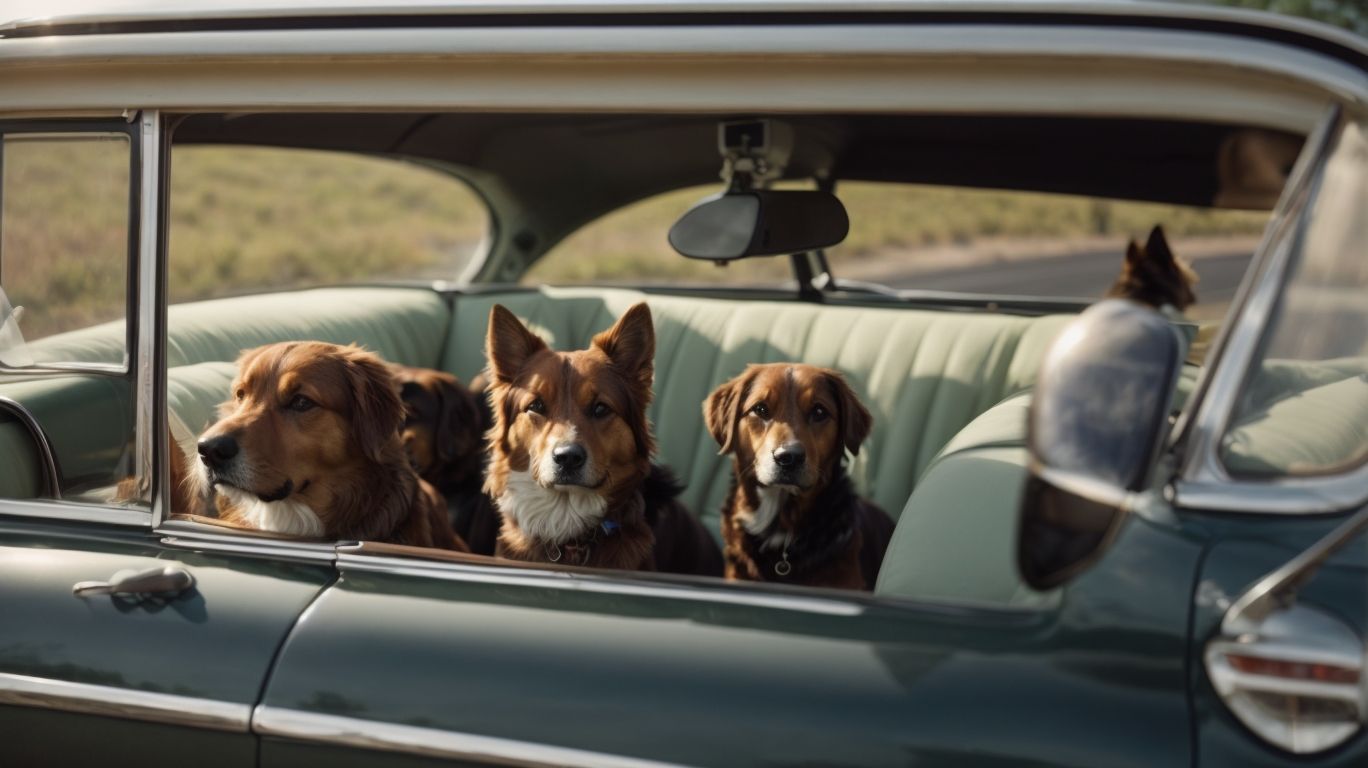


Welcome to our comprehensive guide on alternative travel options for pets, with a focus on understanding the limitations of flying with snub-nosed dogs and cats. In this article, we will explore transportation options for flat-nosed pets and provide valuable insights on how to prepare for travel with dogs and cats. From planning the trip and route carefully to selecting the right size crate for your pet, desensitizing them to potential stressors, and finding products to keep them cool, we’ve got you covered. We will also discuss the importance of consulting with a veterinarian before embarking on any travel plans with your beloved pet.
We will address frequently asked questions about traveling with brachycephalic pets, including identifying brachycephalic dog and cat breeds, clarifying regulations for mixed breed pets, understanding crate sizes for snub-nosed breeds, evaluating the use of sedation, and guidelines for flying with snub-nosed service animals. For an in-depth look at the breeds restricted from flying and why, read our helpful information on dog breeds restricted from flying. We will share concluding thoughts on alternative travel options for snub-nosed pets, ensuring a safe and comfortable journey for your furry companions. Whether you’re a pet owner or a pet travel enthusiast, this article is a must-read for anyone seeking guidance on traveling with their brachycephalic pets.
Key Takeaways:
Introduction to Alternative Travel Options for Pets
Regarding pet transportation, especially for snub-nosed breeds such as English bulldogs , pugs , and Boston terriers , it’s essential to explore alternative travel options beyond traditional flying. These breeds often face breed restrictions and health risks when flying in the cargo area of commercial flights, requiring pet owners to consider alternative solutions for their travel needs.
One of the primary challenges faced by snub-nosed breeds when flying with airlines is the risk of respiratory issues due to their unique facial structure. The limited space and ventilation in the cargo area can exacerbate their breathing difficulties during the flight, posing a significant concern for their well-being.
Many airlines impose breed restrictions for snub-nosed breeds, making it difficult for pet owners to secure a booking for their furry companions. This can lead to last-minute changes in travel plans, causing stress for both the pets and their owners.
Given these challenges, pet owners might opt for ground transportation services that cater specifically to the needs of snub-nosed breeds. These services provide a safer and more comfortable travel experience, ensuring that pets receive the attention and care they require throughout the journey.
Understanding the Limitations of Flying with Snub-nosed Dogs and Cats
Flying with snub-nosed dogs and cats presents unique challenges due to their brachycephalic nature, which can lead to respiratory difficulties at high altitudes. Many airlines have imposed specific restrictions and guidelines for transporting these breeds, making it crucial for pet owners to understand the limitations and risks associated with flying with snub-nosed pets.

Brachycephalic breeds like Bulldogs, Pugs, and Persian cats have shortened airways and flat faces, which affect their breathing. When these pets are flown in the cargo hold or even in the cabin, the changes in air pressure and temperature can exacerbate their respiratory issues.
Airlines have introduced temperature restrictions and breed-specific embargoes to minimize the risks. They often require a signed letter from a veterinarian confirming the pet’s fitness for air travel.
Understanding these limitations is essential for pet owners to make informed decisions about flying with their beloved snub-nosed companions, as their well-being should always be the top priority.
Exploring Transportation Options for Flat-nosed Pets
Pet owners exploring transportation options for flat-nosed pets have various choices, including ground transportation services like CitizenShipper, and select airlines such as Delta Airlines , American Airlines , and United Airlines that offer specialized pet transportation services to ensure the safety and well-being of snub-nosed breeds during travel.
Ground transportation can be an ideal choice for pet owners preferring personalized, door-to-door service for their beloved flat-nosed companions. CitizenShipper, for example, connects pet owners with transportation providers who specialize in pet travel and can accommodate the needs of brachycephalic breeds.
On the other hand, major airlines such as Delta, American, and United have established programs tailored to the unique requirements of flat-nosed pets. These services typically include climate-controlled travel conditions, dedicated handling by trained professionals, and adherence to specific guidelines for the safe transport of snub-nosed animals.
Preparing for Travel with Dogs and Cats
Preparing for travel with dogs and cats, especially snub-nosed breeds, involves meticulous planning and consideration. This includes selecting the right size crate, acclimating pets to the travel environment, consulting with a veterinarian to address potential health risks, and finding suitable products to keep pets cool and comfortable during the journey.
Selecting an appropriate crate is crucial. The crate should be large enough for the pet to stand, turn around, and lie down comfortably. It’s also important to gradually acclimate pets to spending time in the crate. This can be achieved by gradually increasing the amount of time they spend in it. Consulting with a veterinarian helps ensure that pets are in good health and address any specific needs or concerns. Using cooling products such as cooling mats or vests can help regulate the pet’s body temperature during travel.
Planning the Trip and Route Carefully

When planning a trip with a snub-nosed pet, it’s crucial to carefully consider the route and transportation options available, keeping in mind the specific airline policies and regulations related to pet transportation for snub-nosed breeds.
Snub-nosed breeds, such as pugs, bulldogs, and Persian cats, have unique respiratory systems that can make air travel challenging for them. It’s essential to consult with a veterinarian to ensure the pet is fit for travel and to understand any specific health considerations. Researching the airline’s pet transportation policies is vital as each airline has different regulations regarding pet carriers, breed restrictions, and health documentation.
Route planning is also critical when traveling with a snub-nosed pet. Direct flights with minimal layovers are preferred to minimize stress on the pet during the journey. Understanding potential temperature restrictions and cabin pressure conditions during the flight is crucial to ensuring the pet’s safety and well-being.
Equally important is selecting the right pet carrier that complies with the airline’s guidelines and provides ample ventilation and space for the pet. A well-ventilated carrier with the right dimensions can significantly contribute to the comfort and safety of the pet during the trip.
Selecting the Right Size Crate for Your Pet
Selecting the right size crate for a snub-nosed pet is crucial to ensure their comfort and safety during transportation, especially if they need to be accommodated in the cargo area of a flight.
Regarding choosing the appropriate crate size, it’s essential to consider the dimensions of the pet, allowing enough room for them to stand, turn around, and lie down comfortably. For snub-nosed breeds such as Bulldogs, Pugs, and Persian cats, ensuring proper ventilation within the crate is particularly important due to their respiratory issues. Opting for a crate with ample airflow and space can help mitigate potential health risks during travel.
Getting Your Pet Familiar with the Crate
Familiarizing your pet with the travel crate is essential to reduce stress and anxiety during transportation, ensuring that they feel secure and comfortable within the confined space of the crate.
One effective method to familiarize pets with their travel crate is by gradually introducing them to it in a positive and rewarding manner. Start by placing the crate in a familiar and comfortable area of the house, leaving the door open to encourage exploration. Encouraging positive associations with the crate through treats, toys, and familiar bedding can help pets feel more at ease with its presence.
Desensitizing Your Pet to Potential Stressors

Desensitizing your pet to potential stressors related to travel, such as loud noises and movements, can help them adapt more effectively to the challenges of transportation, ensuring a smoother and less stressful journey.
This important process involves exposing your pet to gradually increasing levels of the stimuli that trigger anxiety during travel, be it the sound of a running engine, the sensation of movement, or the introduction of a carrier. By gradually familiarizing them with these stressors in a controlled environment, you can help build their tolerance and resilience. This promotes a positive association with travel, reducing their overall anxiety and ensuring a more enjoyable and safe journey for both you and your furry companion.
Finding Products to Keep Your Pet Cool
Finding suitable products to keep your pet cool during travel is essential, especially for snub-nosed breeds that are more prone to heat-related health risks, ensuring their comfort and well-being throughout the journey.
During travel, it’s crucial to consider the cooling needs of pets to prevent heat stress and dehydration. Specifically designed cooling mats or pads can offer relief from the sweltering conditions in cars or airplanes, allowing pets to rest comfortably. Additionally, portable water dispensers are critical for keeping pets hydrated while on the go. These essentials play a vital role in safeguarding the health of pets, especially those vulnerable to heat-related issues.
Consulting with a Veterinarian
Consulting with a veterinarian before pet travel is crucial to address potential health risks and ensure that snub-nosed breeds are fit for the journey, providing necessary medical guidance and preparations for a safe and comfortable travel experience
Snub-nosed breeds, such as Bulldogs, Pugs, and Persians, are more prone to respiratory issues and stress during travel due to their unique physical features. A veterinary consultation can help in assessing the pet’s overall health and offering specific advice to mitigate these risks. The veterinarian can provide essential vaccinations, preventive medications, and tips for managing the pet’s anxiety to alleviate any potential travel-related health concerns.
FAQs about Traveling with Brachycephalic Pets
As pet owners navigate the complexities of traveling with brachycephalic pets , it’s common to have questions and concerns regarding the specific challenges and considerations associated with transporting these breeds, both by air and ground transportation.
Brachycephalic pets, such as bulldogs, pugs, and Persian cats, have unique respiratory and thermoregulatory issues due to their shortened airways and flatter faces. Regarding traveling, these breeds require special attention to ensure their safety and well-being throughout the journey. Factors such as temperature control, stress levels, and the selection of appropriate carriers are crucial considerations that need to be addressed. Whether it’s choosing the right airline, prepping for the journey, or knowing the warning signs of distress during travel, there are various aspects that pet owners need to be well-versed in to ensure a smooth and safe transportation experience for their brachycephalic pets.
Identifying Brachycephalic Dog and Cat Breeds
Identifying brachycephalic dog and cat breeds, such as English bulldogs, pugs, and Persian cats, is essential for pet owners as they navigate the regulatory guidelines set forth by organizations like the US Department of Transportation and the American Veterinary Medical Association.
Brachycephalic breeds are recognized by their distinctive wide and flat skulls, which can result in respiratory issues and other health concerns due to their shortened airways. English bulldogs, pugs, and Persian cats are prime examples of these breeds, often characterized by their cute ‘smooshed’ faces.
Organizations like the American Kennel Club and British Veterinary Association provide guidelines for breeders and owners to ensure the welfare and well-being of these unique breeds. Understanding the specific needs and potential health risks associated with brachycephalic breeds is crucial for responsible pet ownership and the promotion of breed health.
Clarifying Regulations for Mixed Breed Pets
Clarifying regulations for mixed breed pets , especially those with potential brachycephalic traits , is crucial to ensure compliance with breed restrictions and guidelines set by airlines and pet transportation authorities.
Regarding traveling or transporting pets, understanding the specific regulations and requirements for mixed breed animals is essential. The distinctive physical features of brachycephalic breeds, such as a shortened skull and flattened face, often raise concerns due to potential respiratory issues during air travel. To safeguard the well-being of these pets, airlines and transportation authorities have implemented necessary guidelines to address the particular needs and risks associated with brachycephalic traits.
Understanding Crate Sizes for Snub-nosed Breeds
Understanding the appropriate crate sizes for snub-nosed breeds is crucial for pet owners, ensuring that their pets have sufficient space and comfort during transportation, aligning with the requirements and recommendations of pet transportation authorities and airlines.
Snub-nosed breeds, such as Bulldogs, Pugs, and Persian cats, often face breathing difficulties due to their unique facial structure. Therefore, selecting the right-sized crate is essential to provide them with enough breathing room and reduce stress during travel.
Not only does the proper crate size cater to their physical needs, but it also contributes to their mental well-being. The comfort and safety of snub-nosed breeds are of utmost importance when it comes to traveling, as they are more susceptible to heat stress and respiratory issues.
Evaluating the Use of Sedation for Brachycephalic Pets
Evaluating the use of sedation for brachycephalic pets during travel involves careful consideration of the potential health risks and the specific guidelines provided by veterinary professionals and pet transportation authorities for ensuring the well-being of these breeds.
Brachycephalic pets, such as bulldogs, pugs, and boxers, have unique respiratory anatomy which can pose challenges during travel. Sedation, if deemed necessary, should be administered following expert veterinary advice to minimize the risks associated with their breathing difficulties. Adhering to the prescribed dosage and guidelines for sedation is crucial for preventing adverse effects. Pet owners should be mindful of the potential complications, including decreased respiratory function and increased risk of heat exhaustion, when considering sedation for their brachycephalic pets during travel.
Guidelines for Flying with Snub-nosed Service Animals
Understanding the guidelines for flying with snub-nosed service animals is essential for individuals who rely on the assistance of these specially trained pets, requiring adherence to specific regulations and considerations to ensure their comfort and safety during air travel.
Snub-nosed animals, such as pugs, Boston Terriers , and French Bulldogs , have unique respiratory needs, making air travel potentially challenging for them. Airlines often have breed-specific regulations to protect these animals from the stress of flying, including restrictions on temperature and air pressure. Owners must also consider the stress and anxiety their pets may experience during the journey, necessitating careful preparation and accommodations. It’s crucial to stay updated with the latest airline policies and guidelines to ensure a smooth and safe travel experience for both the animals and their owners.
Assessing the Safety of Checking Pets into Cargo on Commercial Flights
Assessing the safety of checking pets into cargo on commercial flights, especially for snub-nosed breeds, involves thorough consideration of the potential risks, regulations, and alternative options available to ensure the well-being of pets during air travel.
Regarding flying with pets, especially in the cargo hold, it’s crucial to prioritize their safety and comfort. For snub-nosed breeds such as Bulldogs, Pugs, and Persian cats, there are additional concerns due to their susceptibility to respiratory issues. Regulations set forth by airlines and aviation authorities help establish standards for pet transportation, including crate requirements, temperature restrictions, and breed-specific guidelines. Pet owners should closely adhere to these regulations and thoroughly research the airline’s policies to make informed decisions.
Exploring alternative travel options , such as pet-friendly airlines or ground transportation, can provide a more secure and less stressful experience for pets. Pet safety should always remain a top priority, ensuring that they are well-prepared and comfortable for the journey.
Concluding Thoughts on Alternative Travel Options for Snub-nosed Pets
Exploring alternative travel options for snub-nosed pets, including ground transportation services and specialized airline accommodations, is crucial to ensure their safety and well-being , particularly in light of breed restrictions and health risks associated with air travel.
Ground transportation, such as pet-friendly car rentals or professional pet transport services, allows for a more controlled and comfortable journey for snub-nosed pets. These options mitigate the risks associated with air travel, such as respiratory issues due to temperature and pressure changes. Specialized airline accommodations, like climate-controlled cabins and direct flight bookings, can minimize the stress and potential health concerns for these breeds.
Frequently Asked Questions
Can dogs that can’t fly still travel with their owners?
Yes, there are many alternative travel options available for dogs that can’t fly, such as road trips, train travel, and even cruises.
What are some safety precautions to take when traveling with a dog that can’t fly?
It’s important to make sure your dog is properly restrained in the vehicle, bring necessary medication and updated vaccinations, and have a plan in case of emergencies.
Can dogs that can’t fly fly in an emergency situation?
In certain emergency situations, such as natural disasters, some airlines may allow dogs that can’t fly to travel in the cabin with their owners. However, it’s always best to have a backup plan in case this is not an option.
Are there any restrictions on traveling with a dog that can’t fly?
Some countries may have specific regulations and restrictions on traveling with pets, so it’s important to research and plan ahead before traveling with a dog that can’t fly.
What are some alternative modes of transportation for dogs that can’t fly?
Aside from road trips and train travel, there are also pet-friendly bus and ferry options available for dogs that can’t fly.
How can I make traveling with a dog that can’t fly more comfortable for them?
Bringing familiar toys and bedding, sticking to a routine as much as possible, and keeping them hydrated and well-rested are all important ways to make traveling with a dog that can’t fly more comfortable for them.

Guiding SEO strategies for nationwide pet transportation services. With a wealth of experience in marketing, committed to showcasing safe and reliable pet transport options across the USA.